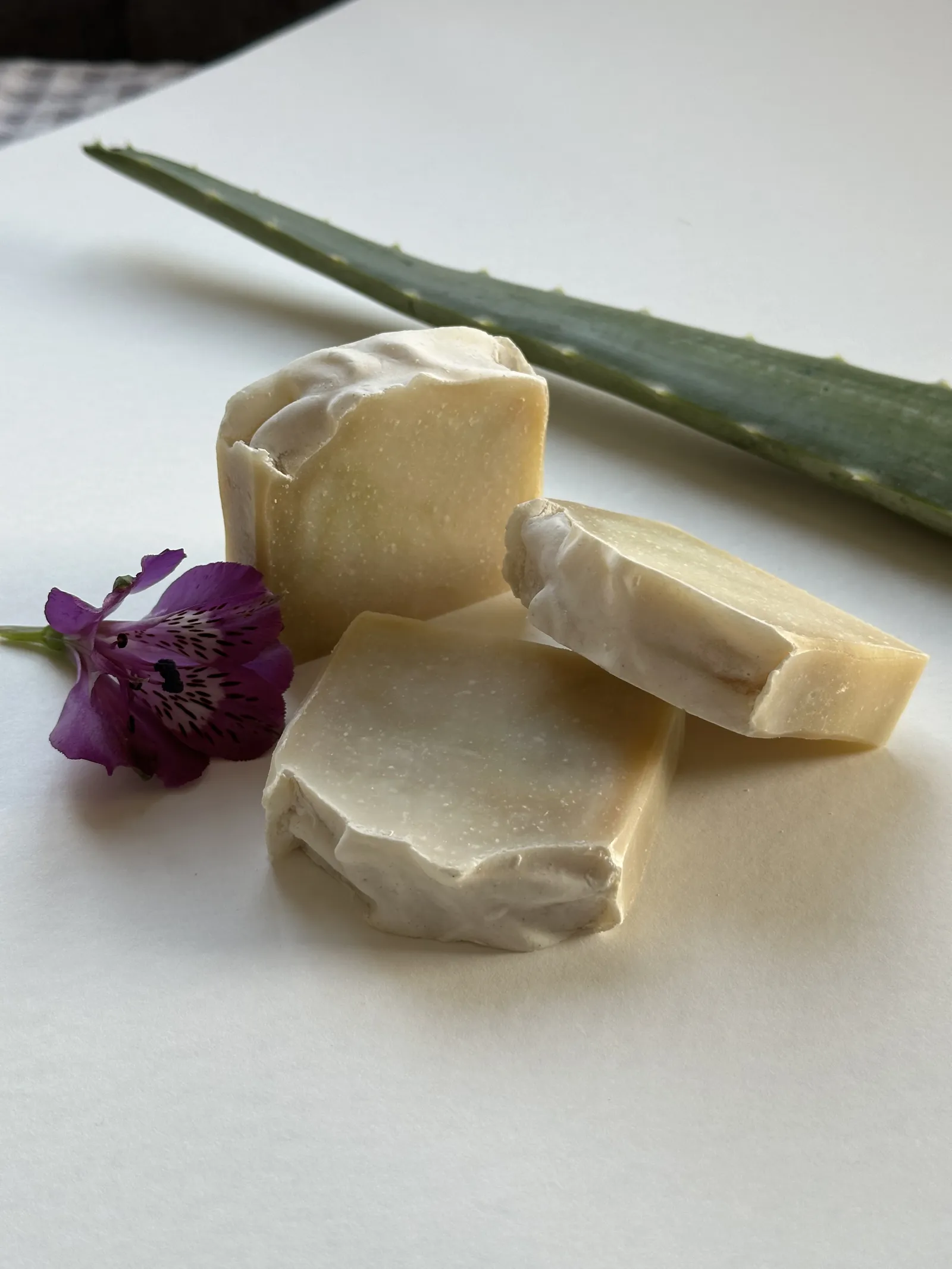
What Does Olive Oil Do in Soap?
آیا روغن زیتون در صابون همان اثر روغن زیتون روی پوست را دارد؟
Olive oil has a long history in traditional soapmaking and is closely associated with classic soaps such as Castile soap.
But what actually happens when olive oil is used to make soap?
Olive Oil Is More Than an Additive
During saponification, olive oil reacts with an alkali. Much of the original oil is chemically transformed into soap.
Olive oil contains a high proportion of oleic acid, and its fatty acid profile affects characteristics such as texture, lather, hardness, and the overall feel of the finished soap.
That is why soap formulation is not simply about choosing a popular oil. The balance between different fatty acids matters.
Is Olive Oil in Soap the Same as Applying Olive Oil Directly?
Not exactly.
Once olive oil undergoes saponification, much of it is no longer chemically identical to the original oil. So claims about applying pure olive oil directly to skin cannot automatically be transferred to a soap made with olive oil.
Olive Oil in Nisha Soap
At Nisha, olive oil is one of the core ingredients used alongside coconut oil, shea butter, and cocoa butter.
Each oil contributes a different fatty acid profile, so we use combinations rather than relying on one ingredient to do everything.
For Nisha, plant oils are not marketing decorations. They form the foundation of the soap formula itself.
References: Reviews on vegetable oils for dermal use; literature on Castile soap and fatty acid composition.
This post comes out of one of our values
Truth
No claim without evidence. If an ingredient is synthetic we write synthetic, and we say why we chose it.
Read moreFrom the journal
New products, by text
One short text when a new product is introduced. Nothing more.
By signing up you agree to receive texts from Nisha. Reply STOP any time.